
The anchovies of the Cantabrian Sea are caught in the waters along Spain’s northern coast. The name therefore identifies their origin: processing an anchovy in Spain is not enough to make it Cantabrian. When choosing a pack, start by reading the origin of the fish, the ingredients and the producer’s information.
What reaches the table, however, depends on more than the fishing grounds. Selection of the raw material, salt maturation and careful cleaning of the fillets all contribute to the result. To understand why these products are appreciated, it helps to follow their journey from sea to pack.
Where do they come from and when are they caught?
The Cantabrian Sea borders northern Spain. Fishing for anchovies intended for salt curing traditionally centres on spring, although the calendar, availability and characteristics of the catch can vary from year to year. This makes fish selection important: a geographical name alone does not describe the quality of every batch.
How are Cantabrian anchovies prepared?
In traditional processing, the fish is prepared, cleaned and packed in salt. This is followed by maturation during which texture and flavour develop. Once the producer considers the desired stage reached, the anchovies are cleaned and filleted, then packed according to the intended recipe.
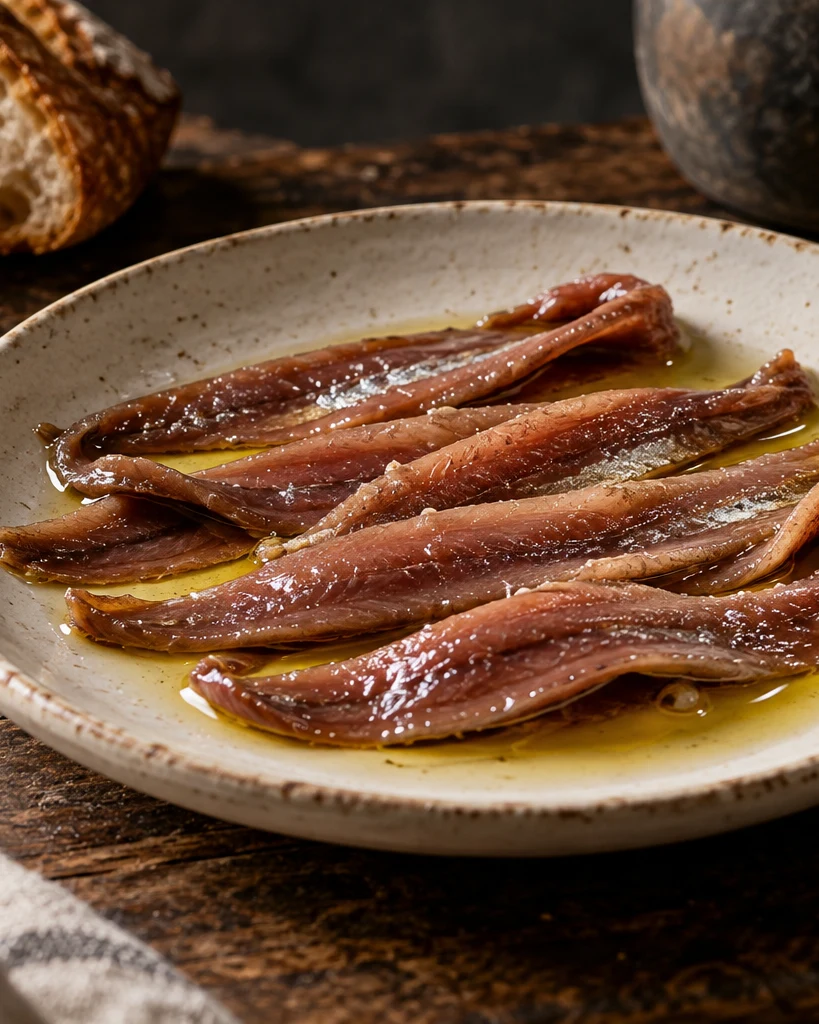
Times are not the same for every pack: they depend on the raw material and the producer’s method. Cleaning matters too. A fillet intended to be enjoyed on its own should have a pleasant texture, without its dressing overwhelming the fish.
Why are they considered special?
Their culinary appeal comes from the combination of origin, selection and preparation. A good anchovy can become the centre of a small tasting: bread, a fresh ingredient and a few carefully chosen accompaniments are enough to show it at its best. Price or a larger format alone is no guarantee: intended use and the information on the pack are more useful guides.
How to choose the right format
For a tasting: choose fillets to serve whole, allowing each guest to appreciate their texture and flavour. Check the weight and number of fillets, where stated, to plan portions.
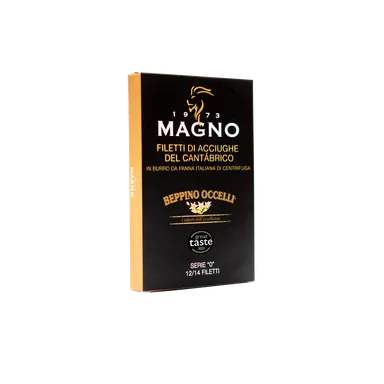
For an aperitif: think about accompaniments before buying. Toast and tomato make a simple combination; anchovies in butter offer an alternative already shaped by their dressing.
For a recipe: consider how prominent you want the anchovy to be. In a dish with many other ingredients, start with a small amount and taste before adding salt.
Two ideas from the Magno Food selection
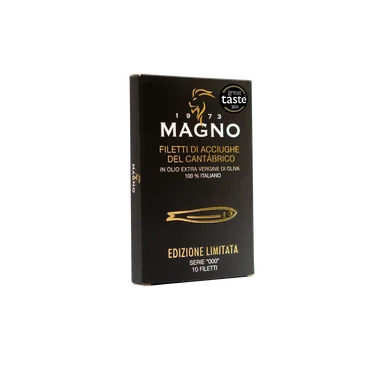
For a tasting to serve with bread, discover the 120 g Cantabrian anchovies in butter. If you prefer to build a tasting around the fillet itself, consider the limited-edition 000 Cantabrian anchovy fillets. The product pages provide current details, prices and availability: compare them with the number of guests and the occasion you have in mind.
Before serving, always follow the storage and consumption instructions on the pack. Once you have chosen your product, give its character room to shine: a few accompaniments, carefully arranged portions and a simple plate make it easier to appreciate.
A tasting in three steps
Prepare a clean plate and serve the bread separately, following the serving instructions on the pack.
Taste a fillet on its own first, then with a small accompaniment.
Compare the two options before adding salt or other seasonings.
Further reading on preparation
You can read about Olasagasti’s traditional salt-curing process and explore La Mutrikuarra’s anchovy preparation. These producers illustrate the process; they are not identified here as the producers of the two Magno products mentioned.