
Begin with the occasion
A Champagne for an aperitif, a bottle for dinner and a gift do not necessarily need the same qualities. Before choosing a famous name, consider the preferred style, menu and number of guests. For a gift, knowing the recipient’s tastes is especially useful.
Reading the label
Look for the Champagne designation, producer, bottle size, alcohol content and dosage. A stated vintage identifies a vintage wine. Check allergen information too: Brut does not describe a grape variety, and Rosé does not automatically mean sweet.
Producer abbreviations explain professional status rather than an absolute quality ranking. Environmental certifications should likewise be understood according to their actual scope. Organic does not mean sulphite-free; check the individual bottle.
Comparing prices fairly
Compare the same size and cuvée. A magnum cannot be compared directly with a 75 cl bottle, nor a vintage wine with a non-vintage without considering the differences. Include availability, storage, gift packaging and delivery charges.
Value also depends on the occasion. A bottle that suits your guests may be a better choice than a prestigious name selected solely for its reputation. Reviews help most when they describe aromas, structure and the tasting context.
Exploring Magno’s selection
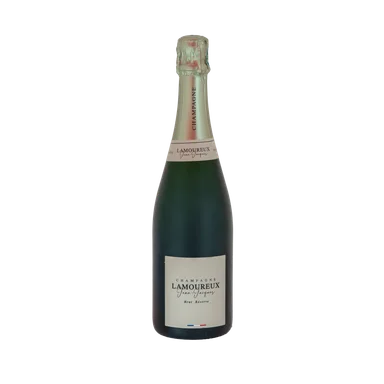
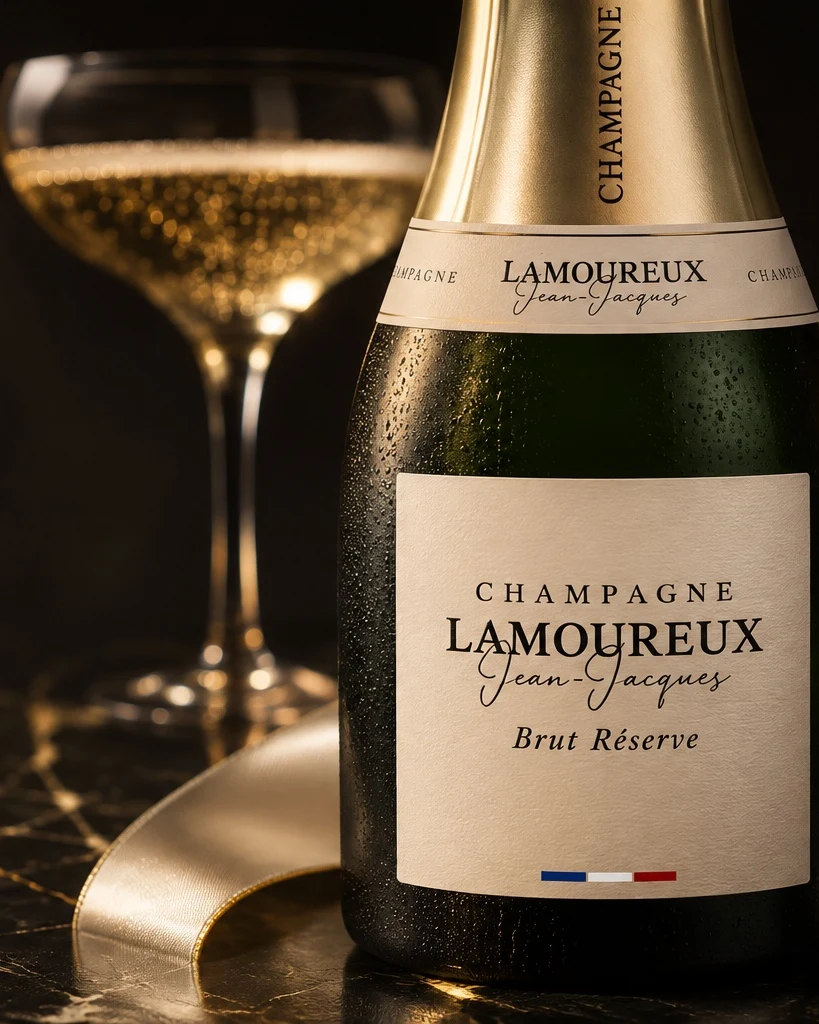
Jean-Jacques Lamoureux Brut Réserve: a starting point for the producer’s style from Les Riceys.
Rosé Brut: another expression to consider for the table.
Dosage Zéro Cuvée Gabin: an opportunity to explore a style without dosage.
Cuvée Alexandrine Millésime: for an exploration of a particular harvest.
Gifts and celebrations
For New Year or an important gift, check size and delivery arrangements before ordering. Thoughtful selection does not need a special date: the menu, service and storage matter alongside the bottle. Product pages show current prices and availability.