
Questions such as “are they good for you?” and “can they be eaten raw?” combine different issues. A useful answer separates product composition, portion size and processing. A ready-prepared fillet produced through controlled processing is not the same as a fresh anchovy to prepare at home.
Read the pack, not a general promise
The nutrition table gives the values for the particular product you bought. Do not transfer figures for fresh fish to a preparation in oil or butter. Salt should also be assessed for the actual product and amount eaten, taking the rest of the meal into account.
From the table to the portion
If values are given per hundred grams, adjust them to the weight of the portion you intend to eat. This helps interpret the information correctly without assigning a standard amount to every aperitif when it does not match the plate. For individual nutritional needs, consult the professional who advises you.
Ingredients and allergens
Fish is an allergen to consider. A preparation in butter contains different ingredients from a fillet in oil; the bread or crostini served alongside also have their own labels. Before preparing a platter for guests with allergies, check all packs and handle utensils and surfaces appropriately.
Read the complete ingredients list.
Check highlighted allergens and any warnings.
Do not describe a bite simply as “anchovy” if it contains other ingredients.
Do not attribute health benefits to the product without declared and verified support.
Ready to eat does not mean fresh raw fish
Semi-preserved anchovies differ from fresh anchovies or homemade boquerones. The Spanish agency AESAN distinguishes semi-preserved anchovies from raw and marinated preparations requiring parasite-control treatments. Vinegar and lemon alone should not be regarded as sufficient to make raw fish safe.
For details, refer to the official AESAN guidance on Anisakis. This distinction does not mean that storage requirements or the commercial pack’s instructions can be ignored.
Organising an informed tasting
Choose a product suitable for your intended use.
Read ingredients, nutrition and storage information before serving.
Prepare considered portions and simple accompaniments.
Ask guests about any dietary requirements.
Avoid presenting a food as a health solution.
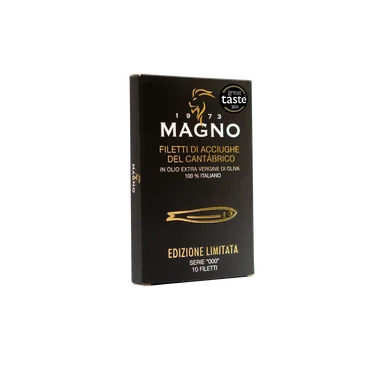
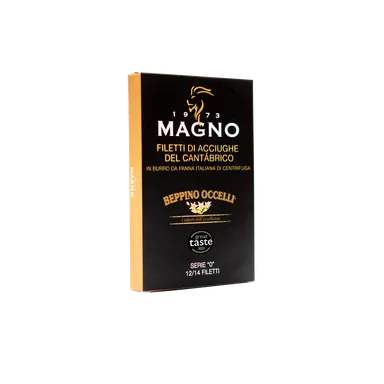
In the shop, compare the 000 Cantabrian fillets with the option in butter. Choose according to ingredients and the type of tasting, rather than using “healthier” as a shortcut for comparing different products. Culinary enjoyment and clear information can share the same plate.