
If Pata Negra seems too dry, too salty or looks unexpected, the response depends on the circumstances. A taste preference and a food-safety concern are not the same thing. The first may call for different serving choices; the second calls for stopping and seeking clarification rather than relying on a remedy found at random.
When texture is the issue
Thick slices, uneven carving or unsuitable serving conditions can change the experience. Before attributing the result to the product, consider how it was prepared: how long the pack has been open, whether instructions were followed, slice size and time spent on the plate.
Do not try to “rehydrate” the ham with water or improvised marinades. If it seems different from what you expected, keep the label and packaging and ask the seller for advice. A precise description is more helpful than simply saying “it is tough”.
If it tastes too salty
Ham is a savoury, salty food. Eating it with aged cheese, olives and very salty bread can make the overall combination excessive. If there are no storage concerns, try a small portion on its own with a neutral accompaniment. This is not a procedure for making suspect food safe: it is only a way to assess culinary balance.
A more balanced plate
Reduce the number of salty ingredients in the same mouthful.
Serve the ham separately from sauces and dressings.
Use plain bread and let guests choose their accompaniments.
Do not add salt before tasting the combination.
Mould: no diagnosis from a photograph
What a change on the outside of a whole ham means cannot automatically be applied to packaged slices or the cut surface. Do not use a general guide to decide to scrape, wash or eat a questionable product. If you notice unexpected mould, damaged packaging or unusual signs, stop eating it and contact the seller or producer.
Do not taste suspect food to check whether it is safe. Smell and appearance alone cannot establish safety either. Useful advice at a distance starts with the pack’s history and the producer’s instructions.
What to share when requesting help
Photograph the product, packaging and label without disturbing the affected area.
Note the batch, purchase date and opening date.
Describe how it was transported and stored.
Explain when you noticed the problem and which part is affected.
Wait for guidance before eating it or applying remedies.
Prevention starts with the right format
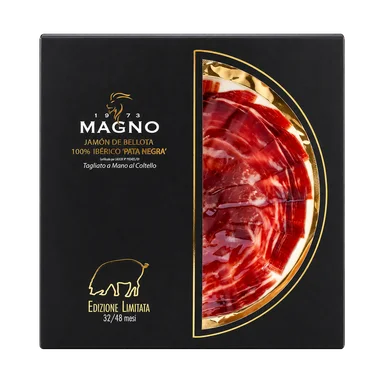
If you eat ham only occasionally, a pack of sliced Pata Negra may be easier to manage than a whole leg. Opening small amounts at a time and following the label helps keep service organised. For a question about a pack bought from Magno, use the website’s contact details and include the order reference: the discussion can then focus on the actual product rather than an assumption.