
What is Champagne?
Champagne is a protected designation tied to a defined region of France and specific production rules. It is not a general name for every sparkling wine. Other wines may share parts of its production method without being entitled to the name.
How the bubbles develop
After base wines are made and, where appropriate, blended, a second fermentation takes place in the bottle. Maturation on the lees follows, along with operations to remove the sediment. Dosage helps shape the wine’s final profile.
Grapes, vineyard plots, reserve wines, time and the producer’s choices all influence the result. Judging only by the amount of bubbles or the price misses much of that character.
Brut, Extra Brut and Demi-Sec
These terms describe sugar content. Brut means less than 12 g/l, Extra Brut 0–6 g/l and Demi-Sec 32–50 g/l. Brut Nature requires less than 3 g/l and no added sugar after the second fermentation. Extra Dry is not drier than Brut: it means 12–17 g/l.
Acidity and the overall wine also affect perceived sweetness. Lower dosage is not automatically better; choose according to your taste and the dish.
Vintage and Rosé
A vintage Champagne expresses one harvest. A non-vintage wine may combine different years to create a consistent style. Rosé describes another Champagne family and does not necessarily mean sweet.
Who invented Champagne?
Its history developed through many people and technical advances. Dom Pérignon is important to the story of blending and wine quality, but attributing the invention of sparkling Champagne solely to him is an oversimplification.
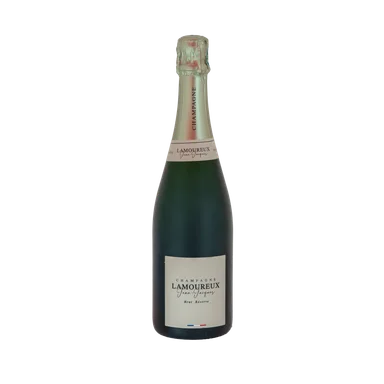
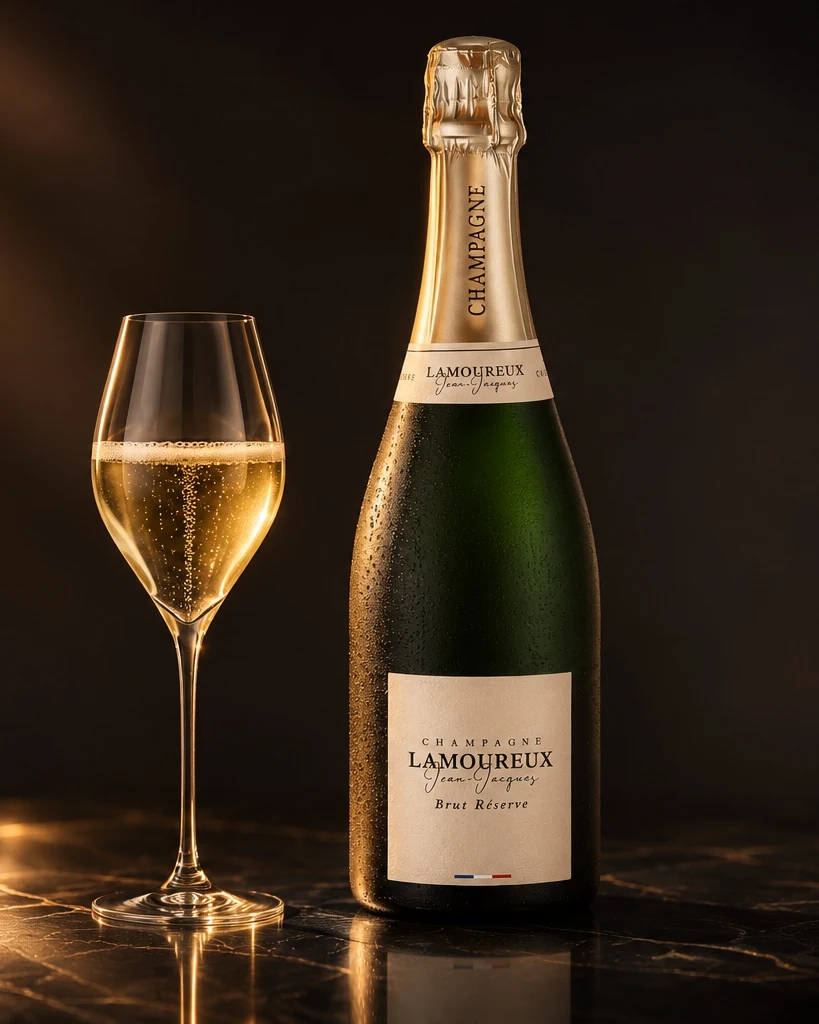
Where to start with Magno
Magno’s Jean-Jacques Lamoureux selection includes Brut Réserve, Rosé, Dosage Zéro Cuvée Gabin and Cuvée Alexandrine Millésime. Compare their product descriptions to find your preferred style. For technical background, consult the Comité Champagne information and its explanation of dosage.